Tourism | Momobako, a traditional ryokan in Matsue and Karashio Port

Miho Shrine

  • 美保神社イメージ1
  • 美保神社イメージ2
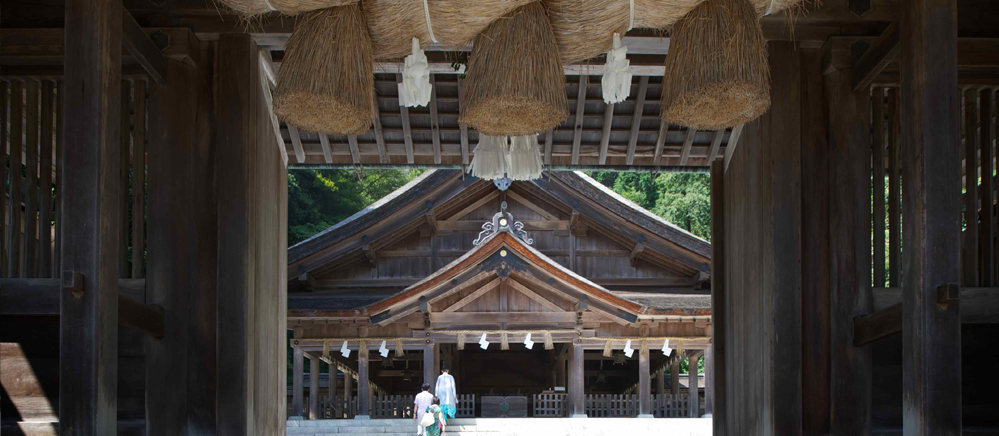
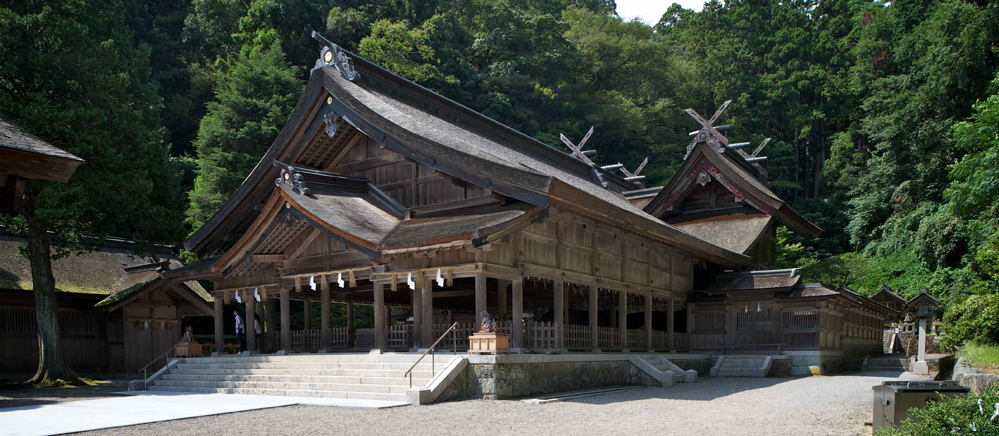
Miho Shrine is an ancient shrine with a main shrine building in the style of the Heian period. It is the national headquarters of Ebisu-sama (Shidai-no-myo), the eldest son of the Great Kami of Izumo Shrine. Over the years, it has gathered many beliefs such as business prosperity, maritime safety, and love compatibility. It is also known as a shrine to the sound of bells, and many valuable instruments are dedicated there; of these, about 800 are instruments of tangible importance as national cultural properties. In addition, the deity of Sanohizumi no Mikoto, the wife of the Great Deity Ōgon, is also worshipped, and since she is the god of abundant crops, many people from the agricultural sector also visit the shrine. (Mud-shedding Festival) Marriage ceremonies are also held at Miho Shrine, and the traditional pure Japanese style wedding leaves a strong impression on both the bride and groom and those attending.

It takes 1 minute to walk from the Miho Shrine to the first torii (about 15 minutes of walking).

More information about Miho Shrine is here
Stone-paved street

  • 青石畳通りイメージ1
  • 青石畳通りイメージ2
  • 青石畳通りイメージ3
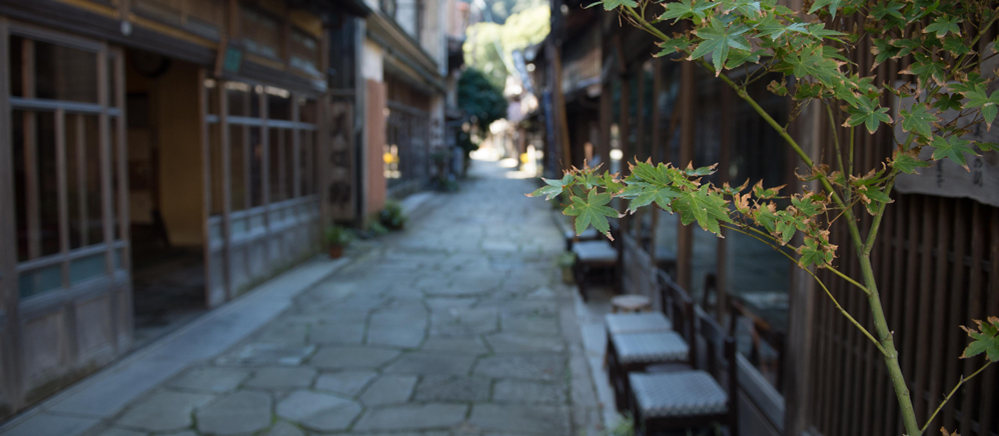
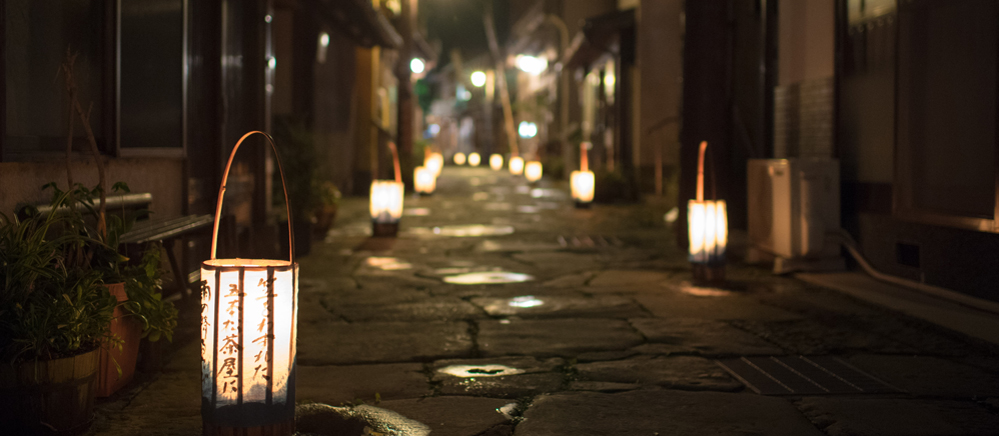
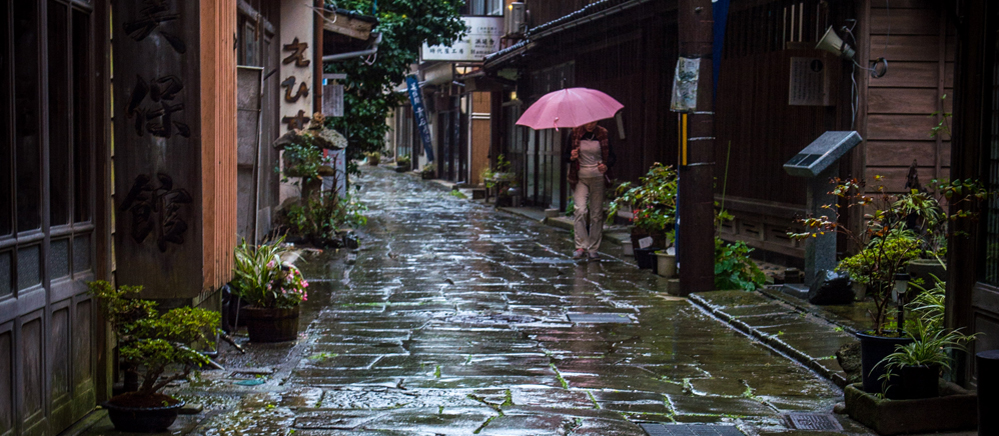
This is a stone-paved street that was laid during the Edo and Taisho eras. It is called that because it glows blue when wet by rain. When the Hakko-no-Funa boats docked at Izutsu, there were numerous shops selling boats, inns, and souvenirs, and the stone was laid as a pavement to transport supplies. Currently, a row of old houses has been built, and a plaque is installed commemorating their origins, allowing visitors to imagine the bygone era. The beautiful Miho Hall main building is also located here. This nostalgic street, which was also selected as the Shimane Prefecture Landscape Prize, is the path from Miho Shrine to Butaya Temple. 0 minutes on foot from the Miho Museum (about 15 minutes on foot)

Kitoura Coast

  • 北浦海岸イメージ1
  • 北浦海岸イメージ2
  • 北浦海岸イメージ3
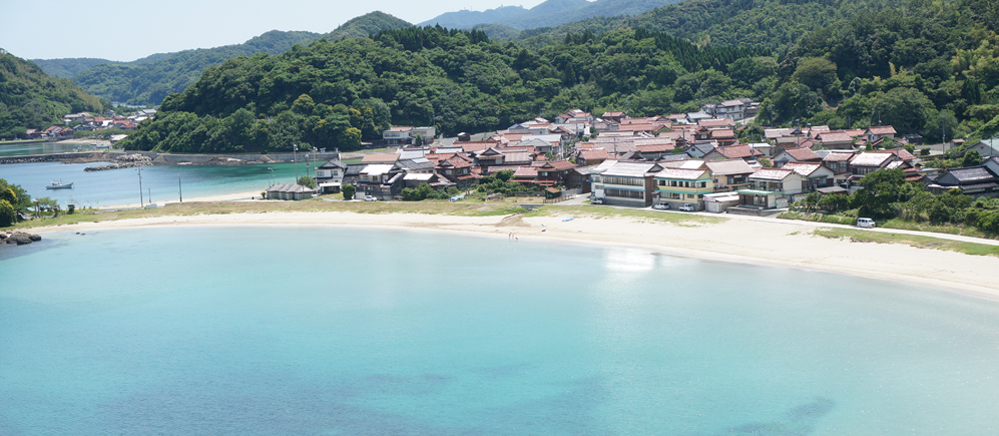
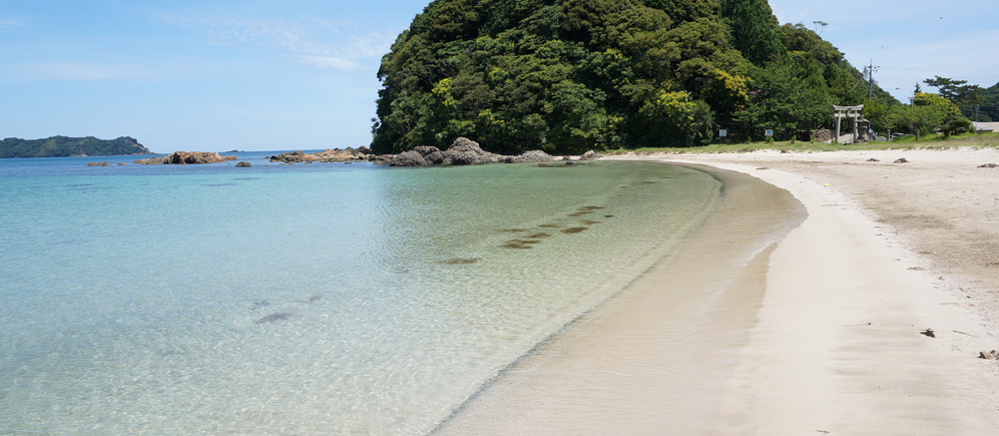
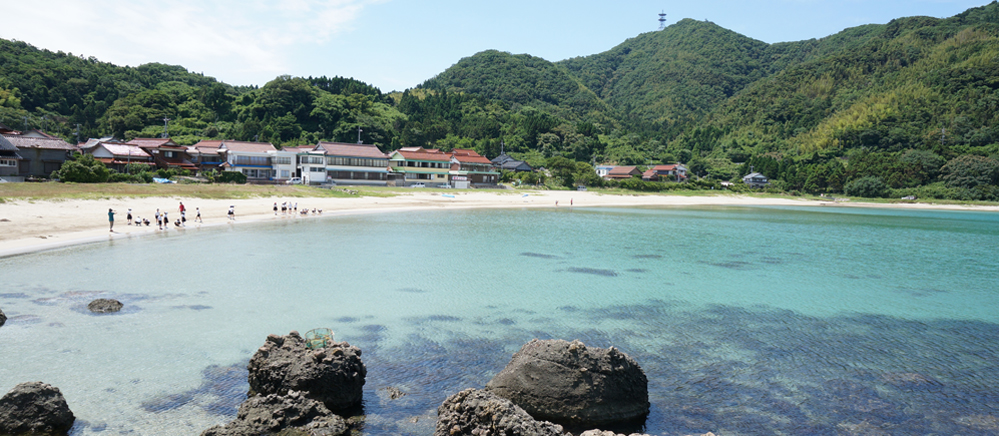
There are various types of seaside baths on the Shimane Peninsula, but this is the largest of them all. It has two beaches on the west and east sides, and in the summer it is bustling with many seaside bathers. In recent years, it has also become known as the venue for the annual Ebisu Cup Sea Rope Pulling Tournament. In addition, several seaside resorts dot the northern shore of Miho-ko town, such as Chichoj and Sasago. The clear waters and the reef-like coastline between the sand beaches are truly spectacular. About 20 minutes by car from the Miho Shrine

Miho-ko Lighthouse

美保関灯台イメージ1
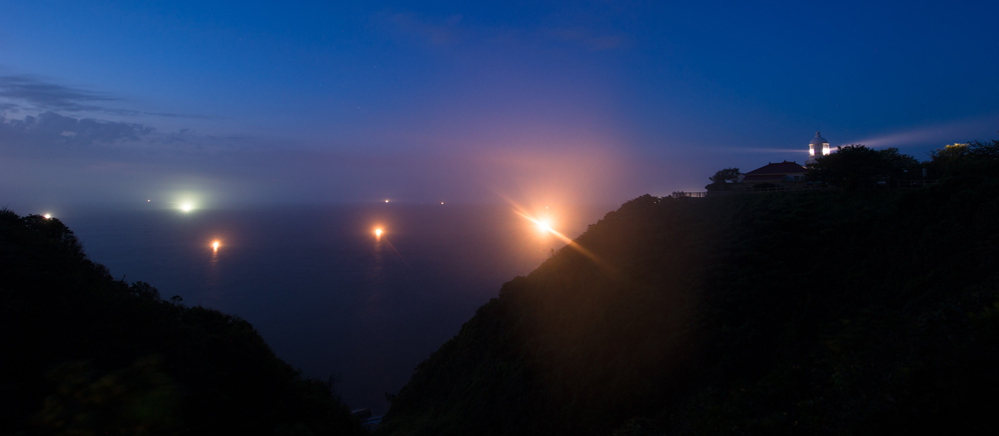
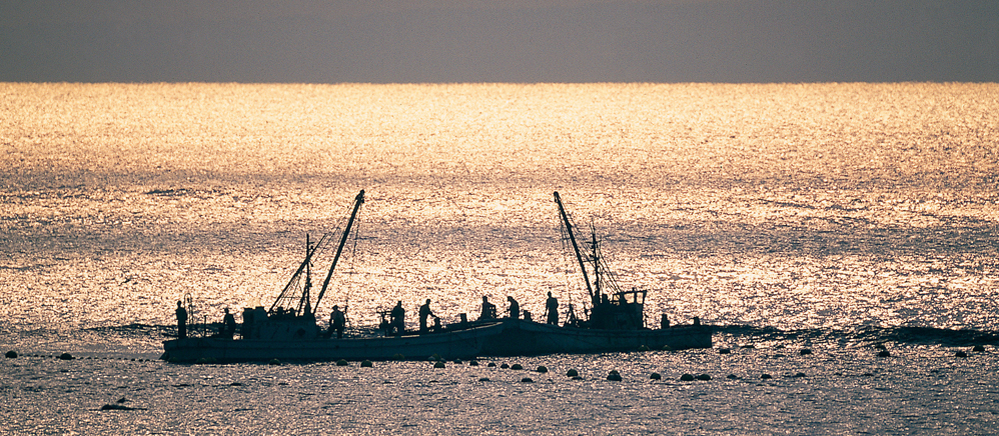
A white lighthouse built during the Meiji era that continues to illuminate passing ships even today. It has been selected as one of the World's Top 100 Historic Lighthouses. On clear days, you can see the view of the Sea of Japan that stretches to Shikoku Island. It is also a famous spot for cherry blossoms. At night, you can see the fishing fire, and the morning sun is beautiful too. Since the height of the sea is high, it takes about 30 minutes to walk one way. 3 minutes by car from the Miho Museum (about 15 minutes on foot from the parking lot)

Other spots

その他スポットイメージ1
Kanon Gomon Matsu Park is a park on a mountain that became the stage for Kanon Gomon Folk Song. From the observatory, you can enjoy a panoramic view of Miho Bay. In spring, the cherry blossoms, said to be over 20,000 in number, bloom profusely, making it a famous cherry blossom spot.

It's a 5-minute walk from the Miho Shrine to the base, and a 30-minute walk to the summit.

Bukkokuji Temple, said to have been built by Saint Tokushitaka. It is also known as the temple where Emperor Go-Toba and Emperor Godaigo stayed when they traveled to Shikoku. There are five statues of important cultural properties here, which are said to be the oldest Buddhist statues in the Shimonin region. 3 minutes on foot from the Miho Museum (about 10 minutes on foot for sightseeing)

The home of the gods: Izumo Shrine

出雲大社イメージ1
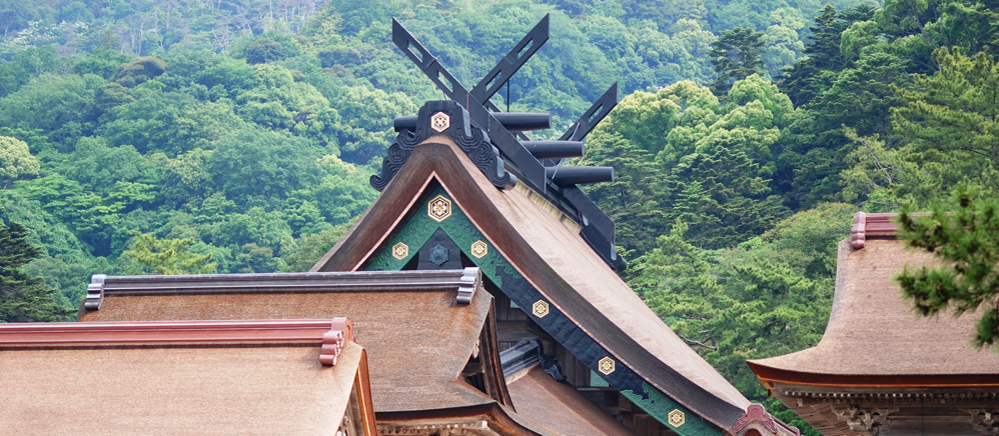
The grand relocation of Izumo Taisha Shrine, which takes place once every 60 years, ended after five years of construction of the main shrine, and on May 10, 2013, the "Relocation Ceremony of the Main Shrine" was held, and the entire Izumo area became extremely lively. The eternal power spot, Izumo Taisha Shrine, is a place you should definitely visit. Miho-kan also offers a pilgrimage and accommodation plan to visit Izumo Taisha Shrine. Approximately 90 minutes by car from the Miho Museum

Things to do in Karashio

境港観光イメージ1
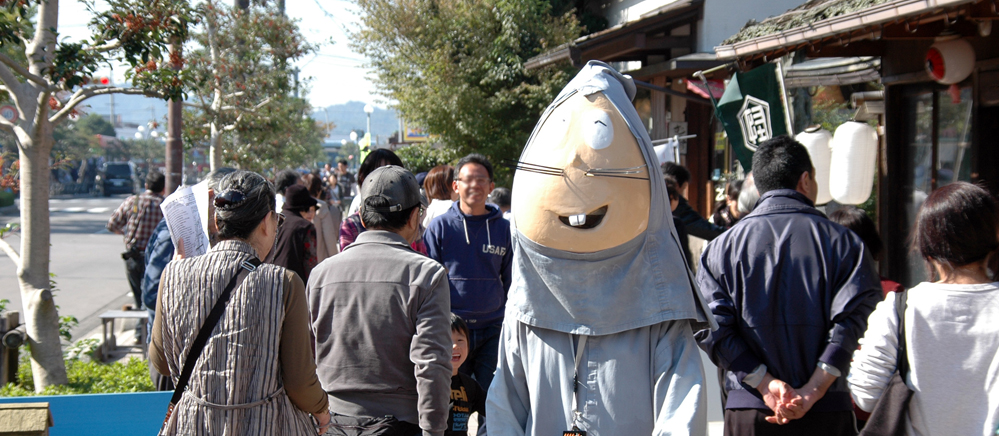
Karasato City is the hometown of manga artist Shigeru Mizuki. The Mizuki Shigeru Road has become a tourist attraction representative of Tottori Prefecture. From Karasuno Station to the arcade where the Mizuki Shigeru Memorial Museum is located, bronze statues of the monsters featured in Mizuki Shigeru's manga are lined up in rows. This is an ideal spot for everyone, from adults to children. Furthermore, Sakai-kōri, which boasts the highest catch volume in Japan, has a Seafood Direct Sales Center near the fishing port. The center offers a wide selection of fresh seafood caught in Sakai-kōri, making it a popular spot not only for tourists but also for locals. It takes about 15 minutes by car from the Miho Museum to Karashimo City.