The charm of Miho-kan | Miho-kan, a traditional ryokan in Shimane Prefecture

National Registered Intangible Cultural Property Miho Hall Main Building

美保館本館イメージ1
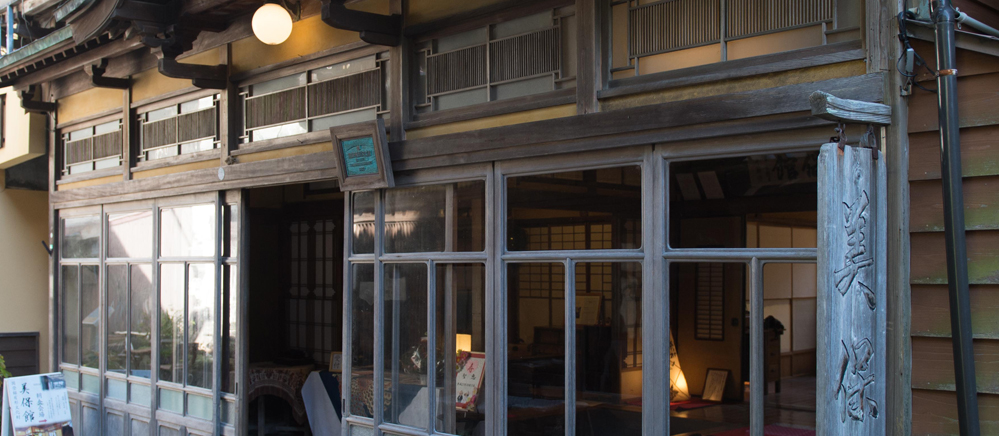
Mibu-kan Main Building is a ryokan built in 1905, approaching its 120th anniversary.
It was designated as the first registered tangible cultural property in Shimane Prefecture among inns that are currently operating.
The imposing and complex architectural beauty and bold composition immerse the viewer in a timeless sense of experience.
It is currently being used as a breakfast venue for the guests staying here.
In addition, it is also used as a stage for various events such as wedding receptions and banquet events for various meetings and conventions.

A history of spinning since the Heian period

百十年の伝統と歴史イメージ1
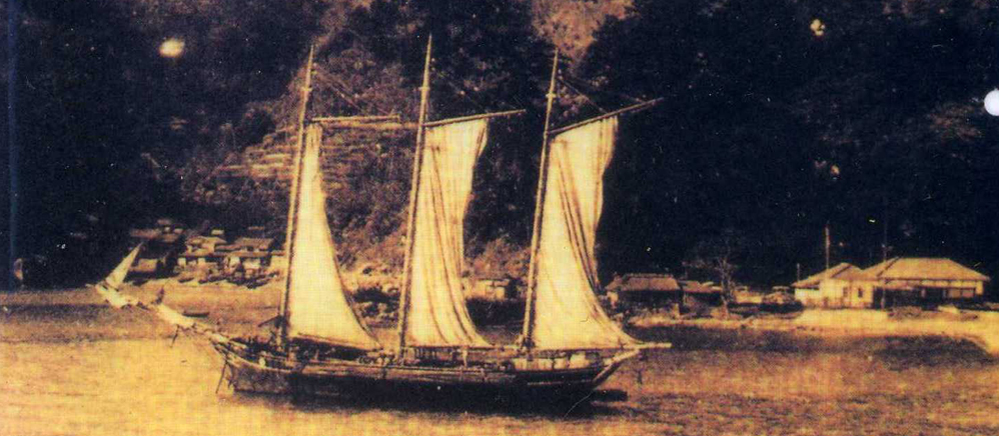
Mibu-koen has long been a hub of maritime traffic and a port for waiting out the winds. As a base for whaling, a hub for the Shimonoseki region in the exchange of trade with the Korean Peninsula and other countries in the surrounding area (the Japan-Korea trade), and as a port for exporting iron from the Tatara ironworks, it became a direct possession of the shogunate during the Ashikaga period, and flourished as an important port for the Hokke-no-Fukuryu trade from the Edo period onwards. The origins of the Miwa-kan date back to the Genpei War. It is believed that one of the generals of the Genji army, Matsuda Juro, who was defeated in the battle of Ishibashiyama, arrived at Miwa-kan and settled there. His predecessor is said to be the first Matsuda, and from the second generation onwards, he used the surname "Doshinshu." He has been running a shipwright and merchant business in Miwa-kan for generations.

During the Muromachi period, he managed business at Miho-kan in the Nishinoseki trade, serving as a daidaijo (head priest) and year-old priest under the name "Azuma." The area is still known as "Kou-dōkan," and is currently the birthplace of the Doshin family.

As the Edo period progressed, the beauty of the port became bustling with the arrival of Northern Han boats (the return vessels of thirty-three countries). Among them, the "East" region was the region that boasted the largest trading volume of the entire Northern Han boat industry, monopolizing the trading of the seven northern provinces (Utajima, Sado, Echigo, Kanto, Kanazawa, Noto, Echizen), including Mikino and Gotoh boats, and Matsue and Shidamo boats. The shop name was also changed to "Kanto Shop." (The site of the old Gotan building is the site of the remains of the Northern Han shop; the existing remains include the wind holes used to store tools and produce, such as whale fishing equipment.)

From the Heian period to the Taishō era (early 17th century), the house of Toshihiro Uehara, 18th head of the Kita-ya family, established a residence in the northern wing of the current main building as well, and also operated the "Izumiya" house name, which mainly conducted business with shipwrights in the Chuo region. "Izumiya" was one of the investors in establishing the exchange office, and was a merchant deeply connected to the Matsue Domain. Through the management of "Izumiya" and "Kita-ya," they handled the trade between the seven kingdoms of Kitto and the imperial court, as well as with Kansai, and became a merchant that managed various shops, including the shipwrights' shop and inns. Furthermore, during this time, Kitto once again flourished as one of the most popular entertainment cities in western Japan.

With the opening of the first railway in the San'in region (in 1905), the logistics industry took a complete turn. Feeling limited by its role as a hub for maritime transportation, the Tsuchida family built the first full-scale ryokan, "Mibu-kan," in Miwa-ko in 1908 and began operating it. This is the current Mibu-kan main building. The ryokan has been in operation for a long time to this day, and in 2004 it was designated a registered tangible cultural property of Japan. It has been used as a stage for various banquets, wedding receptions, and other events.

In the early Showa period, a second beauty parlor was built on the hill side of Aishitachidori Street (the site of "Wakizunaya (Izunoya)"). This beauty parlor also operated as a ryokan for a long time, and was designated as a National Important Cultural Property along with the main building. Currently, we welcome guests as "Mibu-kan Beidebi Wakizunaya," a private room only inn.

Both buildings offer a glimpse of the advanced techniques and playful spirit of the carpenters and artisans of the time.

Since its opening, many people from the royal family and other literary and artistic figures have stayed here, leaving behind many traces and works of art such as books and paintings.

Starting in 2019, we have successively renovated four old traditional houses that we own. We have newly installed a semi-open-air bath overlooking the garden at the “Beitou Yasunoya,” a registered tangible cultural property, and opened “Beitou Monaka”, a private lodging house where you can stay overnight surrounded by nature. We have also opened “Kaminoue”, a newly renovated fishing village inn that overlooks the Misao-ko Bay. We are continuing to make improvements, including the addition of a cypress-bath and renovations to the gardens. Guests staying at any of the new buildings or private lodgings can also enjoy breakfast at the main building.

In addition, a traditional house-style bar is located within the main building, and in the Funeura area, it is surrounded by the sea on three sides.Miho-koen CampgroundA new area has been established. We have created an environment where you can enjoy Miho-koen in various situations.

We will continue to strive every day to carefully assess what should be left behind and what should be changed, so that we can truly delight our customers.
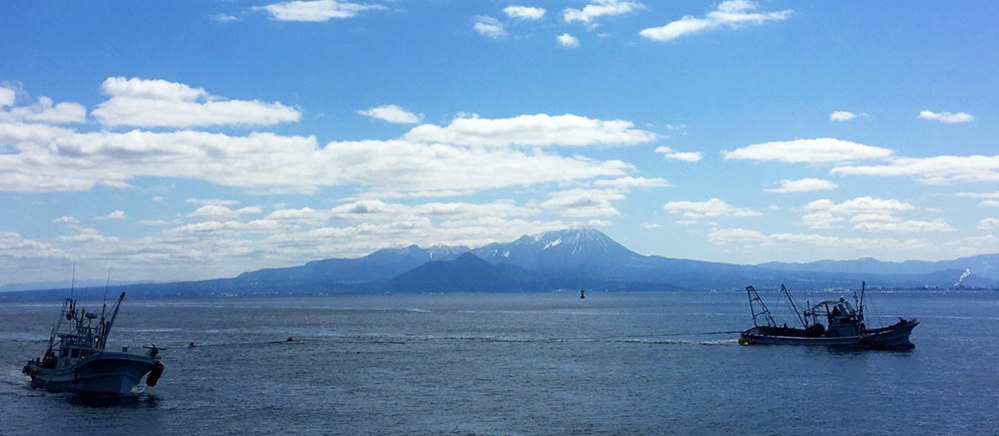
Ocean view overlooking Mount Oyamata

大山を眺めるオーシャンビューイメージ1
Mibuaikan boasts a prime location with Mount Oyamazuma, the highest peak in the Chinese region at 1,709 meters, and Miwa Bay stretching out in front of you. From the observation hot spring on the 7th floor of the new building, you can see the Mount Oyamazuma and the Miwa Bay stretching out in front of you in the morning and evening, and the sea at night is also mysterious.
Please take time to immerse yourself in the beauty of Momobetsu, where you can gaze at distant ships passing by amidst the vastness of nature, listen to the sounds of seagulls, and reminisce about the good old days.

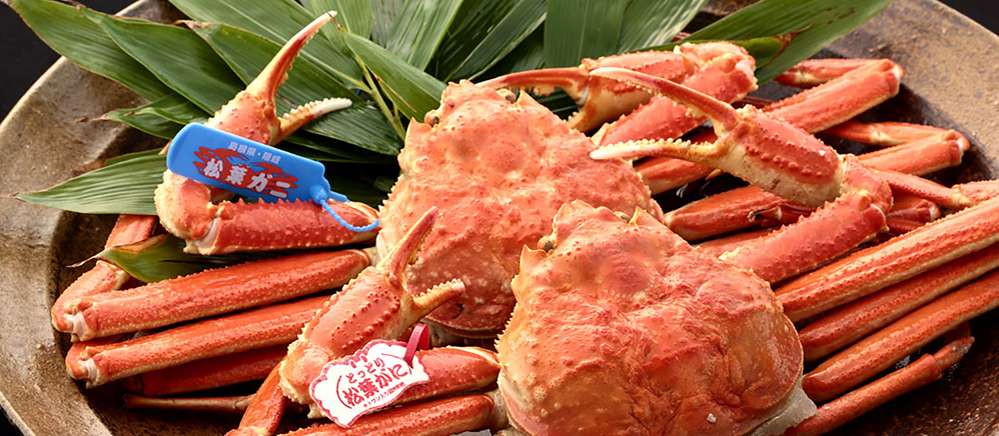
Dishes using seasonal local fish

料理イメージ1
Kishinohama, located across from Miho-kuni, is a port town that boasts one of the highest fish catch volumes in Japan.
Maguro is a treasure trove of seafood, including sea scallops, red and white oysters, and squid.
At Miho Restaurant, every morning the president and the manager go to the Seiri Market in Karasuno and the Ogasaki Waterway Port to purchase fresh ingredients. Enjoy the best of Karasuno, the best of the Japanese Sea in Karasuno, and the flavors of the Shimanami Coast.

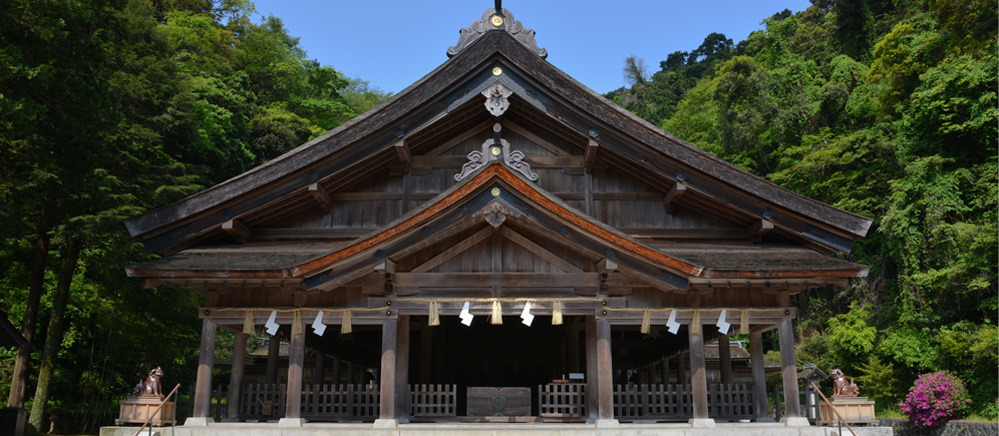
Emushi Shrine, the main shrine of the Emushi clan

美保神社イメージ1
Located within a 1-minute walk from the hotel.Miho ShrineThis is an ancient shrine with a main shrine featuring a large pagoda built with heavy materials.
It is the head temple of Ebisu-sama (Shidai-no-myo), the eldest son of the Great Kami of Izumo Shrine, and has long been revered for prosperity in business, safe navigation at sea, and the fulfillment of wishes.
It is also known as a shrine to the sound of bells, and many valuable instruments are dedicated there; of these, about 800 are instruments of tangible importance as national cultural properties.
In addition, the deity of Sanohizumimi, the wife of the Great Deity Ōno, is also worshiped, and since she is the god of abundant crops, many people from the agricultural sector also visit the shrine. (Mud-shedding, Shiromite Meeting)
Marriage ceremonies are also held at Miho Shrine, and the traditional pure Japanese style wedding leaves a strong impression on both the bride and groom and those attending.

A base for Waterhouse Shigeru Road tourism

水木しげるロード イメージ1
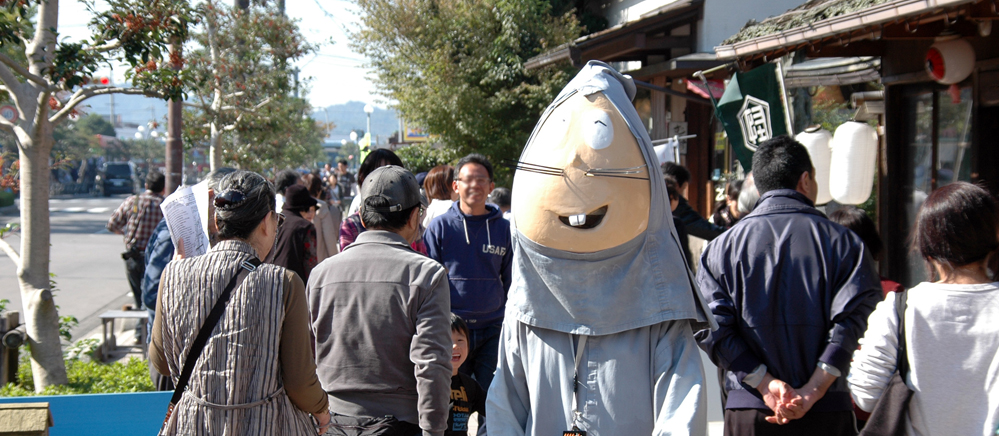
The Mizuki Shigeru Road in Karasuno City has become one of the most popular tourist attractions in Japan.
In the year when NHK's long-running soap opera "Gegege no Hōbō" was broadcast, it is a popular spot in Tottori Prefecture that attracts 3.7 million tourists.
With 153 bronze statues of monsters lined up (as of August 2015), the entire city is like a monster theme park, where adults and children can all enjoy themselves.
The hotel is ideally located for sightseeing, with a 20-minute drive to the Waterhouse Shigeru Road.
It is also a convenient base for sightseeing in the San'in region, with Matsue Castle, designated a National Treasure in 2015, being about a 45-minute drive away and Izumo Taisha Shrine about a 90-minute drive away.

Amiho's history

Introducing the history that has continued since the late Heian period, the people who have visited the museum, and the events held at the main building.